





Cristavid in LoL: what it is and why towers suddenly feel different
If lately you feel like towers are dropping way faster than before, you’re not imagining things. That’s Cristavid doing its job.
Riot introduced this mechanic to change how sieging works, making tower progress less dependent on Baron or specific “anti-tower” champions, and more about map control and timing.
And here’s the key part: Cristavid isn’t a simple buff.
It quietly changes small decisions that end up deciding games:
-
when you hit a tower
-
how long you stay
-
whether a rotation is late or on time
-
why split pushing suddenly feels more threatening
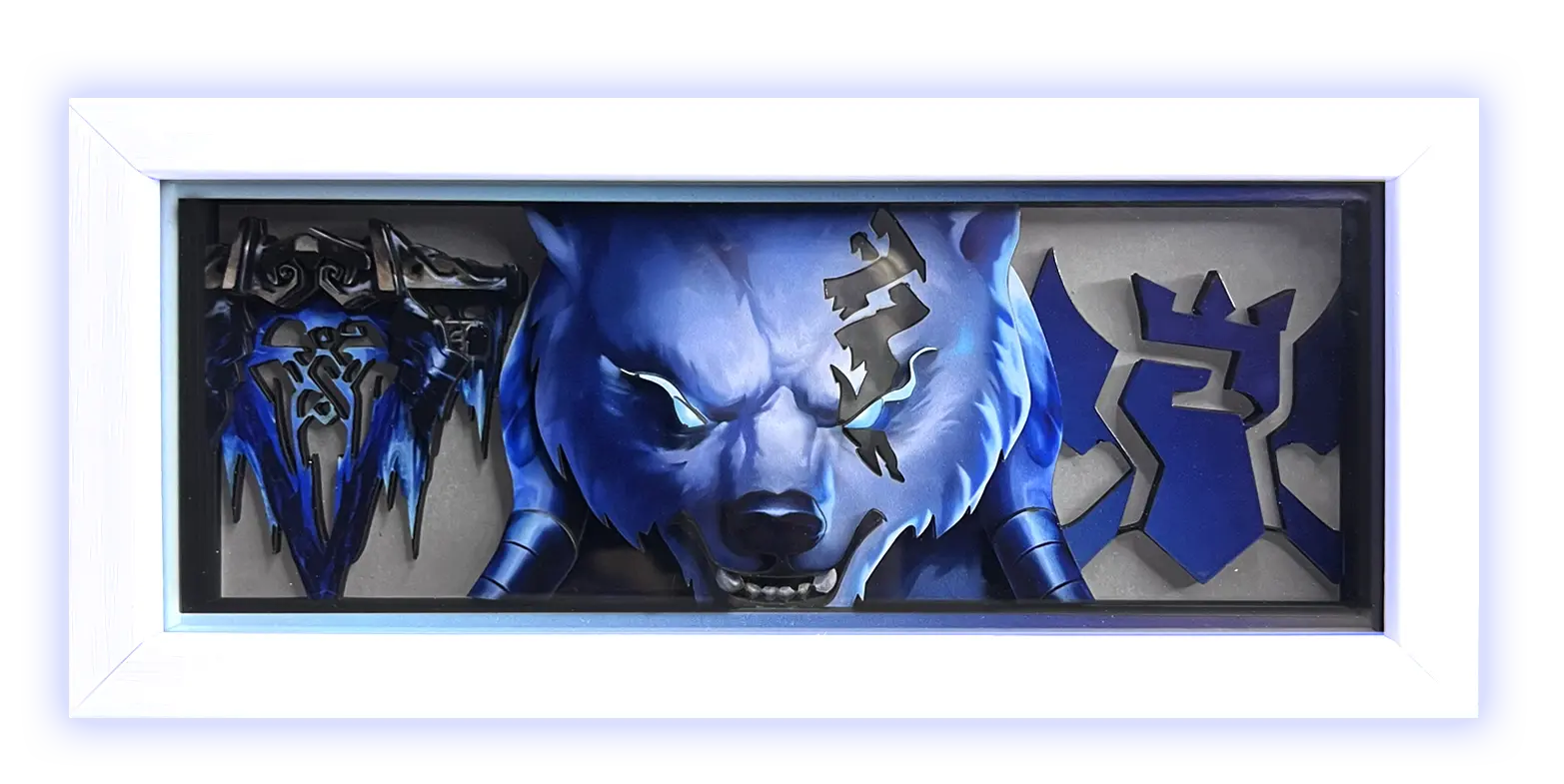
And since we’re already talking about League moments that matter, if you’ve ever wanted to bring your main to real life, you can design your custom loading screen frame at zethacraft.com and see it update in real time.

What Cristavid actually does (no overcomplication)
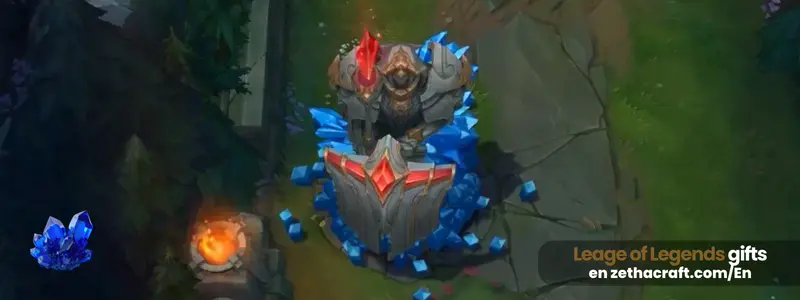
The idea is simple: lane turrets store Cristavid over time.
When a champion hits the turret, that Cristavid triggers bonus true damage based on how much has accumulated.
Important details that actually affect your games:
-
Cristavid becomes available after an initial delay and then stays ready for activation.
-
The damage scales over time, reaching a cap and staying there.
-
The damage is based on average team level, not your personal stats.
-
If enemies are nearby, the activation can be delayed to prevent awkward triggers.
In short: Cristavid rewards hitting towers when they’re unattended.
Late rotations now get punished harder than before.
How Cristavid changes real games (not theory)
1) “One hit and leave” is now worth it
Before, many champions ignored towers unless they could fully commit.
Now, a single well-timed hit can be meaningful progress.
Common mistake: clearing the wave and backing off without touching the tower.
With Cristavid, that habit literally wastes free damage.
2) Split push is scarier, even without Baron
Cristavid makes side lane pressure scale naturally with game time.
You don’t need Baron or a dedicated split champion to force reactions anymore.
In ranked terms: more forced rotations, more mistakes, more towers lost for free.
3) Defending towers is about presence, not just wave clear
Previously, clearing the wave was often enough.
Now, leaving the area entirely gives the enemy a window to activate Cristavid.
Sometimes your job isn’t to fight — it’s simply to stand there.
4) Indirect changes: Demolish becomes simpler
Riot has mentioned simplifying Demolish because Cristavid already provides a baseline “tower damage for everyone.”
That shifts how players think about runes and sieging power.
5) Games feel faster — on purpose
Cristavid is designed to make progress feel more rewarding for attackers and more punishing for slow defense.
Even if the numbers aren’t extreme, the perception of momentum changes how people play.

Quick guide: when you should hit the tower (and when you shouldn’t)
Usually worth it
-
Enemy players are shown on the opposite side of the map
-
Your wave is already crashing
-
You have 1–2 seconds for a safe hit
Usually not worth it
-
No vision and enemy jungle is missing
-
No minion wave
-
You delay an important rotation for “just one more hit”
Cristavid isn’t about hitting towers more.
It’s about hitting them at the right second.
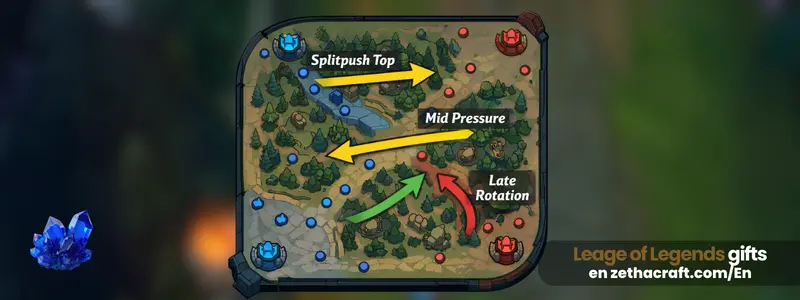
Cristavid looks subtle, but it decides games:
-
Towers dropping from a single hit
-
Late rotations getting punished
-
Split push forcing bad fights
If you remember just one thing, make it this:
Every wave that reaches a tower is a decision point.
And those decisions add up fast.